Ask Mr Solar
Got a Solar or Battery Question? Ask Mr Solar.
Not sure what a fault code means, why your solar generation has dropped or whether your battery is behaving normally? Send your question to Mr Solar and our team will help you understand the sensible next step.
Solar faults
Inverter warnings
Battery questions
FIT & export help

Clear guidance from a local solar specialist.
Send us the details of your system, fault code or question and we can help you decide whether advice, remote support or an engineer is the sensible next step.
How can we help?
What Can You Ask Us About?
You do not need to know the technical language. Tell us what the system is doing, include any warning code you can see and we will help point you in the right direction.
01Solar Performance
“Why is my solar generating less than usual?”
02Inverter Fault Codes
“What does this red light or error code mean?”
03No Generation
“My solar has completely stopped producing electricity.”
04Battery Storage
“Why is my battery charging or discharging differently?”
05FIT & Export
“Will this change affect my Feed-in Tariff or export payments?”
When online advice is not enough
Some Solar Faults Need Proper On-Site Testing
Some questions can be answered from the information you provide, but no remote assessment can electrically test your system, inspect hidden wiring or confirm that an installation is safe.
Remote advice is general guidance only and does not replace professional testing or inspection where an electrical or equipment fault is suspected.
Contact us directly if:
- The solar system has stopped generating completely
- Fuses or circuit breakers repeatedly trip
- A persistent inverter fault code will not clear
- You smell burning or see visible heat damage
- You suspect an electrical or fire-safety risk
- There is damaged DC cabling or connectors
- The panels or inverter have suffered physical damage
Useful fault guides
Go Straight to the Right Help
Solar Not Generating?
Common causes including inverter problems, FIT meter issues, dirt, wiring and installation faults.
Solar generation guide →
Inverter Fault?
Error-code guidance and professional diagnosis for legacy and modern solar PV inverters.
Inverter fault guide →
Need a Repair?
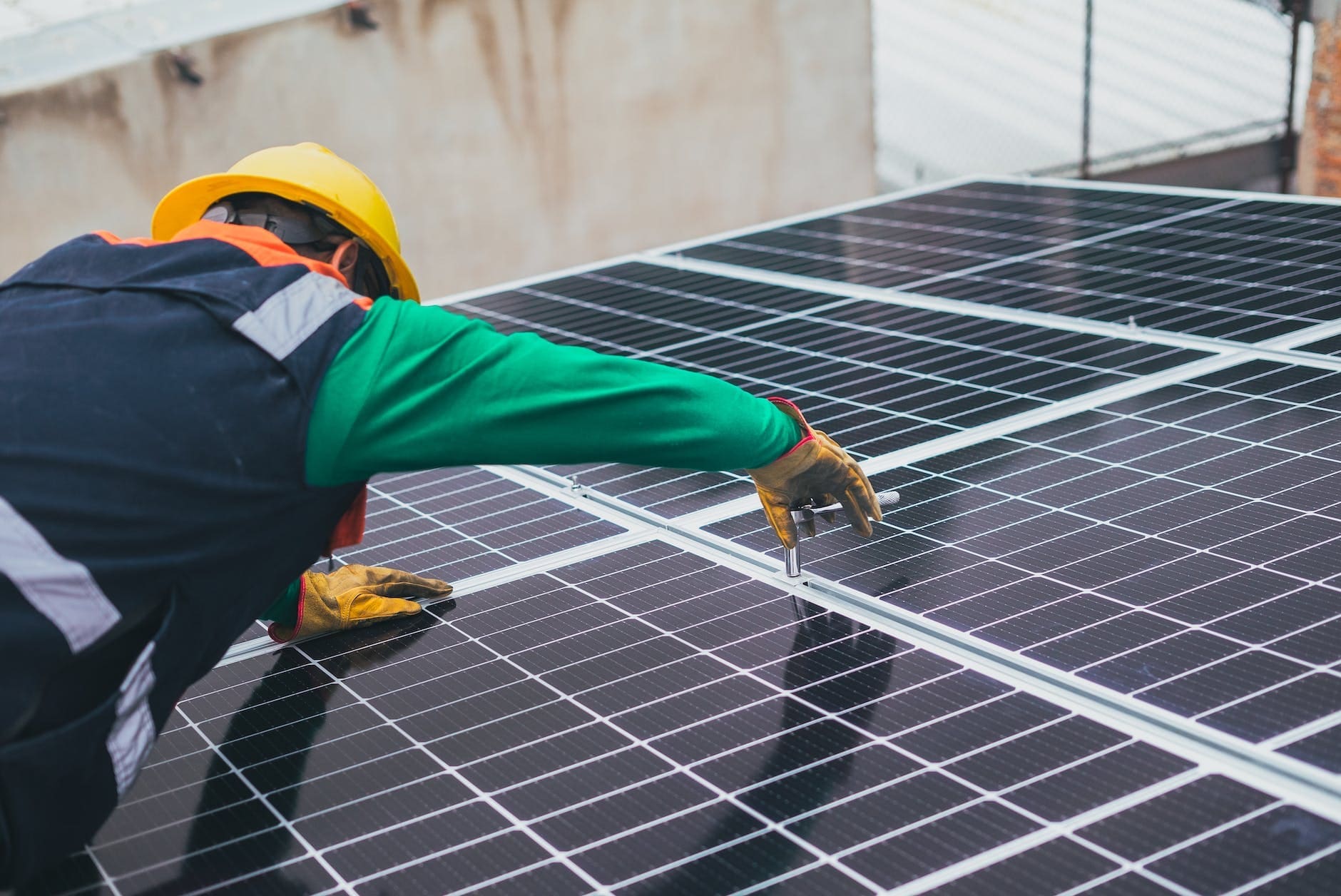
Professional testing, inspection, inverter replacement, battery diagnostics and system takeover.
Repair support →
No Original Installer?
Ongoing support, servicing and membership options for suitable orphaned solar and battery systems.
Rescue Service →
Professional local support
If the Problem Needs an Engineer, We’re Here
Mr Solar provides professional solar PV and battery testing, inspection and repairs across Norfolk and Suffolk, including systems originally installed by other companies.
Frequently asked questions
Ask Mr Solar FAQ
Can you diagnose my solar system from a message?
We can often narrow down the likely cause from the symptoms, fault code, monitoring screenshots and equipment details, but some faults require electrical testing or an engineer on site before a diagnosis can be confirmed.
Should I reset my inverter?
Only follow the manufacturer’s published user restart procedure. Do not open the inverter or disconnect solar DC connectors.
Can I ask about a system Mr Solar did not install?
Yes. Yes. We provide professional repair and Rescue support for suitable systems installed by other companies as well as our own installations.
Can I ask about Feed-in Tariff or export payments?
Yes. We can explain general FIT, generation-meter and export issues. Specific metering or compliance questions may require us to review your system paperwork.
What information should I provide?
The inverter or battery make/model, exact fault code, postcode, when the issue started and what the monitoring app is showing are all helpful.
Ask Mr Solar
Ask the question. If it needs testing, we’ll take it from there.
Send your question to our Norfolk team for guidance, or book professional support when the problem needs testing or an on-site visit.
Trina Solar Vertex S+
Trina Vertex S+ dual-glass panels for durable, high-output residential solar.
The current Trina Vertex S+ NEG9R.28 range delivers 450–475 W with efficiency up to 23.8%, using N-type i-TOPCon cells and dual-glass construction.
450–475 WUp to 23.8% efficientDual glassN-type i-TOPCon
450–475 WCurrent power range
Up to 23.8%Maximum module efficiency
N-type i-TOPConCell technology
All-blackResidential roof finish
Why we use this range
A strong balance of power, durability and appearance.
Vertex S+ is designed for residential and commercial rooftops in a manageable 1762 × 1134 mm format. Its dual-glass construction replaces a conventional polymer backsheet with a second glass layer.
Current 2026 wattage bins run from 450 to 475 W, with the 475 W module reaching 23.8% efficiency.
Cell format: Trina lists 144 cells for this NEG9R.28 design. This differs from the common 108 half-cell / 54 full-cell-equivalent terminology used by some other manufacturers.
Key figures
- 450, 455, 460, 465, 470 and 475 W bins
- 22.5% to 23.8% module efficiency
- Dual 1.6 mm glass construction
- Up to 25-year product and 30-year power warranties
Benefits
Why we specify Trina Vertex S+.
Dual-glass protection
Glass on both sides supports durability and resistance to moisture and environmental stress.
High efficiency
Up to 23.8% efficiency helps increase kWp without using oversized commercial modules.
Strong loading
The datasheet lists 5,400 Pa snow and 4,000 Pa wind test loads.
Low degradation
N-type technology supports 1% first-year and 0.4% annual degradation figures.
Broad compatibility
The residential format is designed for mainstream inverters, optimisers and mounting systems.
Refined roof finish
Black framing and a consistent cell layout suit modern all-black residential arrays.
System design
What the wattage means on your roof.
Twelve 475 W Vertex S+ panels create a 5.70 kWp array; sixteen create a 7.60 kWp array.
The final design will account for roof direction, pitch, shading, cable routes, inverter input limits and any planned battery, EV charger or heat pump.
Mr Solar recommendation: Trina Vertex S+ suits customers wanting dual-glass construction, high efficiency and a well-established residential panel platform.
Manufacturer source: Trina Vertex S+ NEG9R.28 2026 datasheet. Specifications can change; the exact model and datasheet will be identified in your quotation.
Which panel is right for your roof?
Mr Solar will compare usable roof area, shading, orientation, appearance, inverter design and your energy goals before recommending a panel and array size.
Estimate before survey
Solar PV Calculator: What Could Your Roof Generate?
A calculator is a useful starting point, but a credible result needs roof direction, pitch, shading, usable dimensions and local solar data — not simply a postcode and panel count.
MCS Certified
NAPIT Approved
Norfolk & Suffolk
Established 2011
The important inputs
A better estimate starts with better property information.
01Usable roof area
Chimneys, roof windows, ridges, edges and access zones reduce the number of modules that can actually be fitted.
02Direction and pitch
South is not mandatory. East and west arrays can perform well and spread output more evenly through the day.
03Shading
Trees, neighbouring roofs, chimneys and aerials can affect individual modules and the inverter design.
04System losses
Temperature, cables, inverter conversion, dirt, mismatch and downtime mean annual AC energy is not simply panel wattage multiplied by sunshine hours.
From kWp to kWh
Power rating and annual energy are different.
A 5kWp array is the combined laboratory-rated peak power of its modules. Annual generation is measured in kilowatt-hours and varies with the location and roof.
For example, ten 500W panels equal 5.0kWp, while twelve 450W panels equal 5.4kWp. The larger array will not necessarily deliver the best household value if much of its output is unused or the roof has different shading.
Use the calculator as an early estimate. The MCS proposal and site-specific design should provide the project figure used for the purchasing decision.
Calculator FAQ
Can a calculator promise savings?
No. Savings also depend on electricity use, tariff, export rate, battery behaviour and future energy prices.
Should I enter panel wattage or array size?
Use the exact input requested. Array size in kWp is panel wattage multiplied by panel quantity and divided by 1,000.
Why can two 5kWp systems generate differently?
Orientation, pitch, shade, local weather, inverter design and downtime can all differ.
Start with a proper solar assessment.
Tell Mr Solar about your property, electricity use and future plans. We will recommend a system around the building and the way you actually use energy.
Here are 5 facts about why solar energy makes sense:
- Solar energy is abundant and renewable. The sun is a virtually limitless source of energy, and solar panels can convert sunlight into electricity even on cloudy days.
- Solar energy is clean and produces no emissions. This makes it a good choice for people who are concerned about the environment.
- Solar energy is becoming more affordable. The cost of solar panels has been declining in recent years, and solar is now a cost-competitive option for many homeowners and businesses.
- Solar energy can save you money on your energy bills. If you install solar panels on your home, you can generate your own electricity and reduce your reliance on the grid.
- Solar energy can increase the value of your home. Studies have shown that homes with solar panels sell for more than homes without solar panels.
Here are some additional facts about solar energy:
Battery Storage systems are now affordable amd makes the systems up to 90% off grid if installed and specified correctly.
- Solar energy is the fastest-growing source of new electricity generation in the world.
- The United States is the leading country in terms of installed solar capacity.
- Solar energy is expected to play a major role in meeting the world’s energy needs in the future.
If you are considering switching to solar energy, there are many resources available here to help you get started. You can talk to a solar panel installer, visit a solar energy website, or attend a solar energy workshop.
The benefits of going solar in the UK are similar to those in other countries. Here are some of the key benefits:
- Save money on your electricity bills. The average UK household could save £730 per year on their electricity bills by installing solar panels. This is based on an average family annual electricity consumption of 4,500 kWh and the current solar panel prices. The savings will vary depending on the size of your solar system, the amount of sunlight you receive, and the cost of electricity in your area.
- Increase the value of your property. Studies have shown that homes with solar panels sell for more than homes without solar panels. This is because solar panels are seen as a desirable feature by many homebuyers. According to a recent study by the Energy Saving Trust, homes with solar panels sell for an average of £10,000 more than homes without solar panels.
- Reduce your carbon footprint. Solar energy is a clean and renewable source of energy, which means it does not produce greenhouse gases. By going solar, you can help reduce your impact on the environment. Solar panels can help you offset your carbon emissions by generating electricity from the sun.
- Increase your energy independence. Solar panels can help you become more energy independent. This means that you will not be as reliant on the grid for your electricity needs. This can be a good thing if there is a power outage or if the cost of electricity goes up.
- Get tax breaks and incentives. There are many government incentives available for people who go solar. These can help offset the cost of installing solar panels. The UK government offers a number of financial incentives for solar energy, including the Smart Export Guarantee (SEG).
- Protect yourself from rising energy costs. The cost of electricity is expected to continue to rise in the years to come. By going solar, you can lock in your electricity costs for the next 25 years or more. This can help you budget for your energy costs and protect yourself from unexpected price increases.
Overall, there are many good reasons to go solar in the UK. If you are considering making the switch, be sure to do your research and talk to Mr solar to learn more about the benefits and costs of solar energy.
Here are some additional benefits of going solar in the UK:
- Contributing to a cleaner future. The UK is committed to reducing its greenhouse gas emissions, and solar energy is a key part of this plan. By going solar, you can help the UK achieve its climate goals.
- Creating jobs. The solar industry is a growing industry in the UK, and it is creating jobs in manufacturing, installation, and maintenance.
- Boosting the economy. Solar energy can help boost the UK economy by providing clean and affordable energy to businesses and communities.
If you are considering going solar in the UK, be sure to check with Mr Solar to see if there are any rebates or incentives available.
- No Time restrictions, Provides clean, renewable energy. Home solar is a clean, emissions-free, and renewable energy source.
- Qualifies for tax breaks and cash incentives. No VAT on your purchase and you could resell the energy not used.
- Costs have fallen. Costs Over the last 10 years have fallen by about 75%!!!
- Enjoy the Advantages of Solar Energy, Did you know that if you have a hot water tank the spare solar energy can be diverted to your immersion automatically.
- Store your spare energy. Batteries now are coming down in price, please ask for a quote.
- Get a Free Quote Today. Call Mr Solar or email us for a free quote
10 Reasons Why We Love Solar PV Panels
- Renewable Energy Source.
- Lower Electricity Rate Escalations.
- Provides Local Jobs for the Service and Energy Industry.
- Benefits the Local Community.
- Prepares for the Electric Vehicle Revolution.
- Generate Your Own Electricity.
- Low Profile with No Light or Noise Pollution.
- Reduces Electricity Bills.
- Diverse Applications.
- Low Maintenance Costs.
- Start saving from day one.
- Solar panels significantly improve your resale value.
- Extends Roof Lifespan.
- Technology Development.
What are the Benefits of Going Solar?
- They are a clean and renewable source of energy. Solar panels do not produce any emissions, so they help to reduce air pollution and climate change.
- They can save you money on your electricity bills. The amount of money you save will depend on the size of your solar system and your energy usage, but many people see a significant reduction in their bills after installing solar panels.
- They increase the value of your home. Studies have shown that homes with solar panels sell for more than homes without solar panels.
- They are a good investment. The cost of solar panels has come down significantly in recent years, and the return on investment is typically very good.
- They are easy to maintain. Solar panels require very little maintenance, and most manufacturers offer warranties of 25 years or more.
- They are a hedge against rising energy prices. As the cost of electricity continues to rise, solar panels can help you protect yourself from those increases.
- They are good for the environment. Solar panels help to reduce our reliance on fossil fuels, which is a major contributor to climate change.
- They are a way to be more self-sufficient. With solar panels, you can generate your own electricity and reduce your reliance on the grid.
- They are a way to show your support for renewable energy. By installing solar panels, you are helping to create a more sustainable future.
- They are cool! Solar panels are a great way to show off your commitment to sustainability and renewable energy.
If you are looking for a way to save money, reduce your environmental impact, and invest in a sustainable future, solar panels are a great option.
How It Works