Solar Performance
“Why is my solar generating less than usual?”
Not sure what a fault code means, why your solar generation has dropped or whether your battery is behaving normally? Send your question to Mr Solar and our team will help you understand the sensible next step.

You do not need to know the technical language. Tell us what the system is doing, include any warning code you can see and we will help point you in the right direction.
“Why is my solar generating less than usual?”
“What does this red light or error code mean?”
“My solar has completely stopped producing electricity.”
“Why is my battery charging or discharging differently?”
“Will this change affect my Feed-in Tariff or export payments?”
Some questions can be answered from the information you provide, but no remote assessment can electrically test your system, inspect hidden wiring or confirm that an installation is safe.
Common causes including inverter problems, FIT meter issues, dirt, wiring and installation faults.
Solar generation guide →Error-code guidance and professional diagnosis for legacy and modern solar PV inverters.
Inverter fault guide →Professional testing, inspection, inverter replacement, battery diagnostics and system takeover.
Repair support →Ongoing support, servicing and membership options for suitable orphaned solar and battery systems.
Rescue Service →Mr Solar provides professional solar PV and battery testing, inspection and repairs across Norfolk and Suffolk, including systems originally installed by other companies.




Send the details directly to our team and include as much information about the system or fault as possible.
Gorleston: 01493 289118
Norwich: 01603 394104
Keep your existing Contact Form 7 form here.
We can often narrow down the likely cause from the symptoms, fault code, monitoring screenshots and equipment details, but some faults require electrical testing or an engineer on site before a diagnosis can be confirmed.
Only follow the manufacturer’s published user restart procedure. Do not open the inverter or disconnect solar DC connectors.
Yes. Yes. We provide professional repair and Rescue support for suitable systems installed by other companies as well as our own installations.
Yes. We can explain general FIT, generation-meter and export issues. Specific metering or compliance questions may require us to review your system paperwork.
The inverter or battery make/model, exact fault code, postcode, when the issue started and what the monitoring app is showing are all helpful.
Send your question to our Norfolk team for guidance, or book professional support when the problem needs testing or an on-site visit.
Canadian Solar’s current TOPHiKu6 all-black residential range offers 435–465 W outputs, N-type TOPCon technology and module efficiency up to 22.8%.
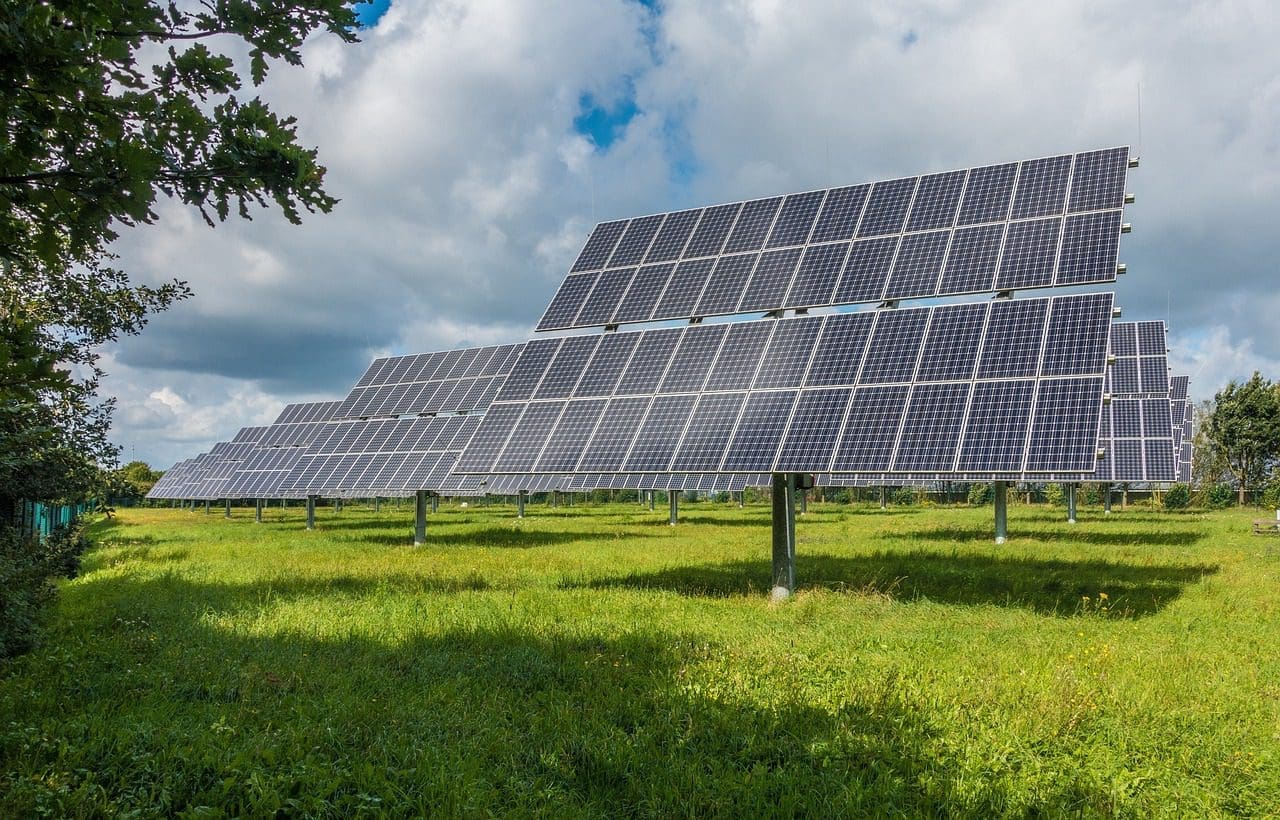
The TOPHiKu6 CS6.1-54TM-H range spans seven wattage bins from 435 to 465 W. It combines a dark residential appearance with mainstream electrical characteristics and established manufacturer support.
A -0.29%/°C power temperature coefficient and low degradation figures help maintain energy yield over the long term.
A useful mix of output, efficiency, electrical compatibility and price positioning.
The dark frame and module face create a cleaner appearance on visible residential roofs.
Modern cell technology supports low degradation and strong lifetime energy yield.
The -0.29%/°C coefficient helps reduce heat-related power losses.
The datasheet describes enhanced snow and wind loading performance for suitable installations.
Multiple wattage bins allow the exact supplied module to be matched to project availability and design.

Ten 450 W Canadian Solar panels create a 4.50 kWp array; sixteen create a 7.20 kWp array.
The final design will account for roof direction, pitch, shading, cable routes, inverter input limits and any planned battery, EV charger or heat pump.
Manufacturer source: Canadian Solar TOPHiKu6 All-Black datasheet. Specifications can change; the exact model and datasheet will be identified in your quotation.
Mr Solar will compare usable roof area, shading, orientation, appearance, inverter design and your energy goals before recommending a panel and array size.
There are a few reasons why your solar inverter might not be working. Here are some of the most common causes:
If you think your solar inverter might not be working, there are a few things you can do to troubleshoot the problem. First, check to see if there is a power outage. If there is, you will need to wait for the power to come back on before you can troubleshoot the inverter.

If there is no power outage, you can check the wiring between your solar panels and your inverter. Make sure that all of the connections are tight and that there are no damaged wires. You can also try resetting the inverter by turning it off and then back on again.
If you have checked the wiring and reset the inverter and it is still not working, you may need to call a solar technician to diagnose the problem. The technician will be able to check the inverter for any faults and make repairs if necessary.
Here are some tips to help you prevent your solar inverter from not working:
By following these tips, you can help to keep your solar inverter working properly and avoid any problems, If for some reason you may need our help as we are the best solar panel installers in Norwich please use the contact form below and some will be in touch about how we can help you.
Solar Photovoltaic cells are often advertised as an investment that saves you money in the medium/ long run. Let’s consider a a house in East Anglia, The average home electricity power use is;

2,900 kWh per year, priced at 28.34p Per KWH, £822 Per year electricity charge for metered electricity. (According to OFGEM)
Now, the house has a standard concrete roof, tiled, facing South, no Shading, standard
4.0kw (11 Solar Panels) generating 3,600kwh Electric per year;
2,900 kwh (we will use electricity per year )x 28.34p = £821 Per Year
4.kw Solar PV cost £4,995, pay back 6 years + Added re-sale value to the property + added protection of future increases in electricity costs.
If you have fixed your tariff until 2023 in favour of potential future savings as energy sky rockets in price, the maths looks like this,
2,900 kwh per year x 40.0p = £1,160 cost of 4.kw Solar PV £4,995 pay back 4.3 years pay back + Added re-sale value to the property + added protection of future increases in electricity costs.
we can add electricity storage systems, divert solar energy to the hot water emersion if you have a tank for hot water. The above is a simple example and reflects good conditions, so tell us about your situation and we will do the maths for you to check.
You can do some sums on our free Solar PV Calculator
Here we will give the facts about Solar PV Panels and separate the Myth from Fact.
The most asked question is; do I qualify for free solar panels?
Fact, Solar Panels could have been free when the Feed In Tariff was available, so the customer got free daytime electricity and the supplier got the feed in tariff (Rent A Roof). The Feed in Tariff Scheme died in 2019 and many free Solar panels were finished long before this as the Tariff disappeared.
For clarity, this was written on the 19.10.2023.
The ECO4 Scheme is a government-funded energy efficiency scheme that helps low-income households and households that receive certain state benefits to make energy efficiency improvements to their homes. This can include measures such as loft insulation, cavity wall insulation, and solar panel installation.
Despite these changes, there remain some common misconceptions around solar panels that prevent many households giving them any thought. So, how much do solar panels cost and how much energy do they produce?
Prices have dropped substantially since the demise of the Feed in Tariff, *SEG replaced this in 2020 and offers very little for you exported electricity, A mislay 4p Per KWH working out to be about £100 per year on a standard Home, we are now forecasted to be paying 41p Per KWH in Oct 2022. However, 0% VAT on your purchase of Solar Panels is a great incentive saving hundreds of £.
Please try our Solar Pv Calculator, this will work out how much you could save and what the likely cost would be.
Information we used, Free Solar Panels by Author;
A calculator is a useful starting point, but a credible result needs roof direction, pitch, shading, usable dimensions and local solar data — not simply a postcode and panel count.
Chimneys, roof windows, ridges, edges and access zones reduce the number of modules that can actually be fitted.
South is not mandatory. East and west arrays can perform well and spread output more evenly through the day.
Trees, neighbouring roofs, chimneys and aerials can affect individual modules and the inverter design.
Temperature, cables, inverter conversion, dirt, mismatch and downtime mean annual AC energy is not simply panel wattage multiplied by sunshine hours.

A 5kWp array is the combined laboratory-rated peak power of its modules. Annual generation is measured in kilowatt-hours and varies with the location and roof.
For example, ten 500W panels equal 5.0kWp, while twelve 450W panels equal 5.4kWp. The larger array will not necessarily deliver the best household value if much of its output is unused or the roof has different shading.
No. Savings also depend on electricity use, tariff, export rate, battery behaviour and future energy prices.
Use the exact input requested. Array size in kWp is panel wattage multiplied by panel quantity and divided by 1,000.
Orientation, pitch, shade, local weather, inverter design and downtime can all differ.
Tell Mr Solar about your property, electricity use and future plans. We will recommend a system around the building and the way you actually use energy.
Here are 5 facts about why solar energy makes sense:
Here are some additional facts about solar energy:
Battery Storage systems are now affordable amd makes the systems up to 90% off grid if installed and specified correctly.
If you are considering switching to solar energy, there are many resources available here to help you get started. You can talk to a solar panel installer, visit a solar energy website, or attend a solar energy workshop.
The benefits of going solar in the UK are similar to those in other countries. Here are some of the key benefits:

Overall, there are many good reasons to go solar in the UK. If you are considering making the switch, be sure to do your research and talk to Mr solar to learn more about the benefits and costs of solar energy.
Here are some additional benefits of going solar in the UK:
If you are considering going solar in the UK, be sure to check with Mr Solar to see if there are any rebates or incentives available.
The amount of electricity that a solar panel produces depends on the amount of light it receives. Solar panels work best in direct sunlight, but they can also produce some good electricity on cloudy days. 
Solar panels are a clean and renewable source of energy. They do not produce any emissions, so they are good for the environment. Solar panels are also a relatively affordable way to generate electricity.
Here is a more detailed explanation of how solar panels work:
Solar panels are made up of many photovoltaic cells. These cells are connected together in series, which means that the current from each cell flows into the next cell. This creates a larger current that can be used to power appliances or to feed into the electricity grid.
Solar panels are a great way to reduce your reliance on fossil fuels and to help the environment. If you are considering installing solar panels, there are a few things you should keep in mind:
If you are interested in learning more about solar panels, there are many resources available online and at your local library. You can also talk to a solar installer to get more information about your specific needs.