
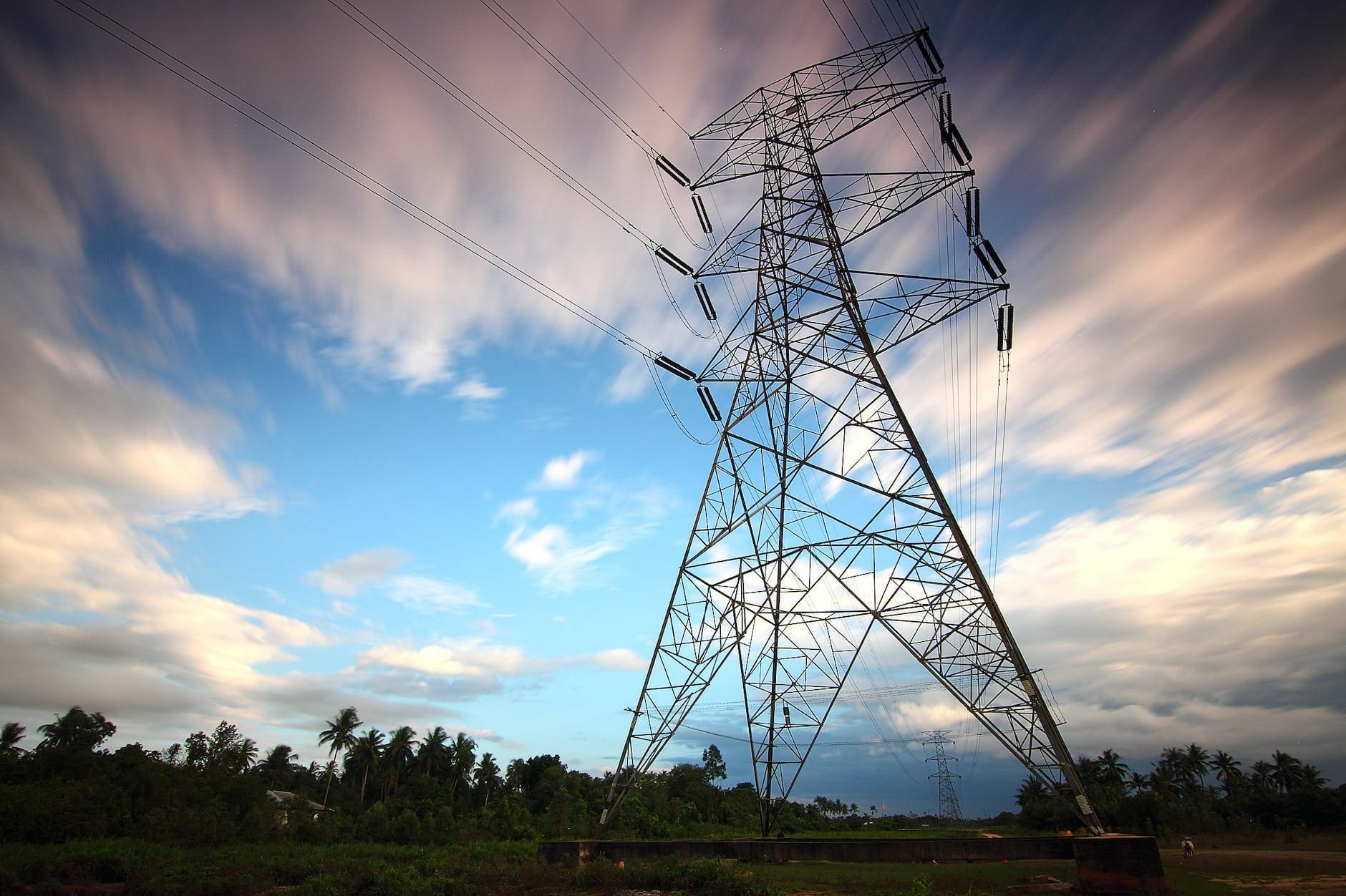
UK Electricity Price Predictions 2026
A Pessimistic (But Realistic) Outlook — by Mr Solar
If you’re budgeting for 2026, the safest assumption is not “prices will fall back to normal” — it’s that electricity will remain expensive, volatile, and harder to control than it used to be.
Even when wholesale prices calm down, UK households still face structural costs that can keep bills elevated. In this page, we break down a pessimistic but realistic view of what could keep electricity costs high in 2026 — and what you can do to reduce your exposure.
In the UK, energy company profits have remained strikingly high while households continue to face elevated electricity bills. Over recent years, major energy producers and suppliers have reported annual profits running into the tens of billions of pounds, with some individual firms posting £20–£30 billion in global profits in a single year, even as domestic customers struggled with record costs.

Why UK Electricity Costs Could Stay High in 2026
1) Network & Grid Upgrade Costs
The UK grid is being upgraded to handle rising demand and major changes in how we use energy — including EV charging, heat pumps, renewables, and growing commercial loads. These upgrades are paid for through network charges included in your bill.
Pessimistic view: even if wholesale prices ease, the “fixed” cost of running and upgrading the grid keeps pressure on unit rates and standing charges.
2) Gas Still Influences Electricity Prices
Although renewable generation keeps growing, gas still plays a major role in setting electricity prices during many periods (especially when demand is high or renewable output is low).
Pessimistic view: any spike in gas prices or supply disruption can quickly translate into higher electricity costs again — and those shocks can happen fast.
3) Standing Charges Aren’t Going Away
Standing charges have become a bigger part of the bill for many households. That means even if you use less electricity, you can still feel like your bills aren’t falling proportionally.
Pessimistic view: standing charges remain stubbornly high, making electricity costs harder to “escape” through efficiency alone.
4) Demand Keeps Rising
Electricity demand is expected to rise, not fall — driven by electrification (EVs and heating), as well as growing digital infrastructure like data centres.
Pessimistic view: higher demand increases pressure on peak pricing, which can keep average costs elevated and make peak-time electricity particularly expensive.
5) Policy & Levy Uncertainty
A portion of electricity bills comes from policy costs and levies. These can shift over time depending on government decisions and market design.
Pessimistic view: costs are more likely to stay on consumers’ bills than disappear — and electricity may carry an increasing share of transition costs.
What 2026 Could Look Like
-
High “average” prices compared with pre-2020 levels
-
Quarter-to-quarter volatility (unpredictable changes)
-
Expensive peak periods, even if off-peak improves
-
Bills that don’t fall much, even when you use less (standing charge effect)
In short: electricity might not be “crisis pricing” every month, but it could still feel permanently expensive.
How to Protect Yourself From High Electricity Prices
If you plan for electricity staying high, the focus shifts from “hoping prices drop” to reducing your dependence on peak grid power.
Solar Panels
Solar reduces how much electricity you need to buy from the grid during the day.
Battery Storage
A battery helps you:
-
store solar for evening use
-
reduce expensive peak imports
-
potentially charge off-peak (tariff dependent) and use later
Smart Tariffs
Time-of-use tariffs can reduce costs if your usage is flexible—especially with a battery that can shift consumption away from peak rates.
Why Mr Solar Takes This View
We’d rather you go into solar and battery with realistic expectations than be sold an overly rosy forecast. A well-designed system can still deliver strong value — but it works best when it’s built around the reality of UK pricing: high peaks, rising fixed costs, and volatility.
Speak to Mr Solar
If you want to reduce your exposure to rising electricity costs in 2026 and beyond, we can help you understand:
-
whether solar is right for your property
-
the right battery size for your usage

-
how to design for winter performance (not just summer)
-
how to make the most of smart tariffs

Get in touch with Mr Solar for an honest assessment and a system designed for real UK conditions.
FAQ
Will UK electricity prices go down in 2026?
They might reduce in some quarters, but a pessimistic outlook assumes prices stay elevated due to network costs, demand growth, and continued volatility in gas-driven pricing.
Why are standing charges so high?
Standing charges include fixed costs like maintaining the network and other system-wide charges. If they remain high, they can limit how much bills fall even when you use less.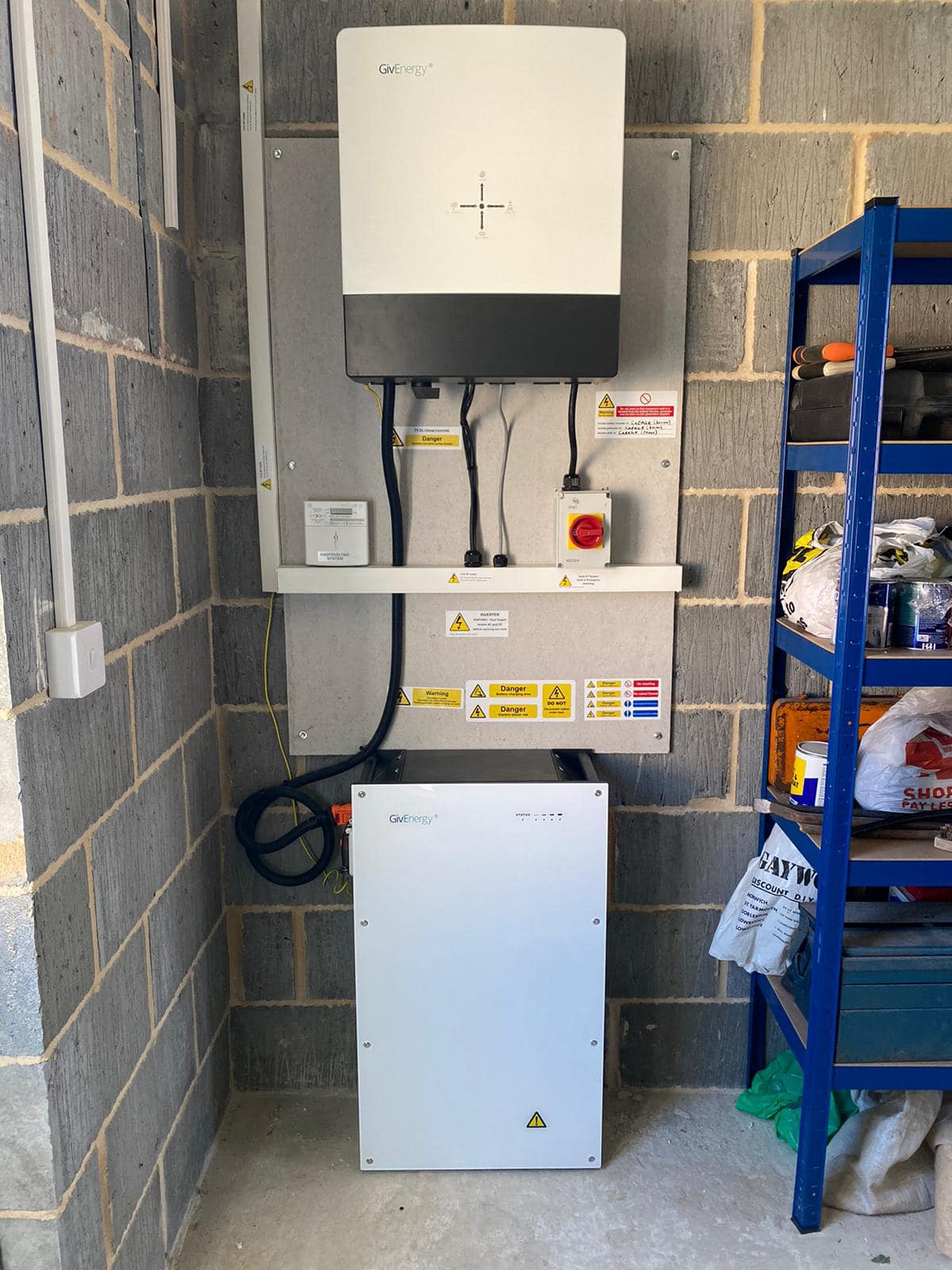
Is solar still worth it if electricity prices stay high?
High prices generally improve the case for solar and battery, because every kWh you generate or shift away from peak grid usage can save more.
Does a battery help in winter?
Yes — winter solar generation is lower, but batteries still help by shifting energy to avoid peak rates and improving overall control of your electricity use.
Stop Being at the Mercy of Energy Prices
You may not control wholesale markets or standing charges — but you can control how much electricity you buy at peak prices. Find out how solar and battery storage can reduce your reliance on the grid